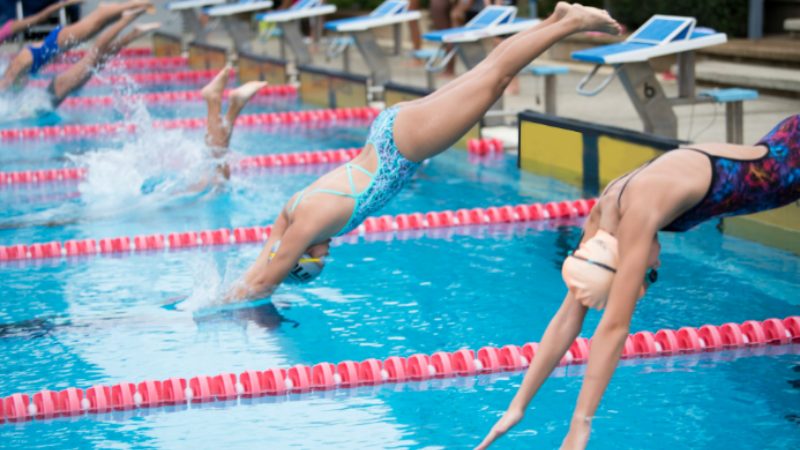
For many families, time at the pool means simple, familiar moments, like kids splashing in the shallow end, parents keeping watch nearby, and colorful pool floats drifting across the water. It’s an easy way to relax, cool off, and spend time together.
But while these moments feel carefree, they also highlight an important point: being around water is a regular part of family life. National Learn To Swim Day exists to ensure those moments are safe and enjoyable. It’s a reminder that swimming is a skill that helps protect people in real-world situations.
What Is National Learn To Swim Day?
National Learn To Swim Day is observed each year on the third Saturday in May. It was created to raise awareness about the importance of teaching people, especially children, how to swim. The day encourages families to prioritize swim education and understand its role in water safety.
While it often focuses on children, the message applies to people of all ages. Adults who never learned to swim can benefit just as much from swimming lessons. The goal is straightforward: increase access to swim education and reduce preventable water-related incidents.
Why Swimming Is a Must-Have Life Skill
Swimming is a basic life skill, similar to riding a bike or learning how to cross the street safely. It allows people to move confidently in and around water, whether at a pool, lake, or beach. For children, learning to swim early helps them become more comfortable in the water and builds a foundation for long-term safety.
It’s also important to recognize that relying on tools like pool floats or staying in shallow water isn’t enough. These can add to the experience, but they do not replace the ability to swim independently. Knowing how to float, tread water, and reach safety are essential skills that can make a critical difference in water safety.
Water Safety: The Big Reason This Day Exists
The primary purpose of National Learn To Swim Day is to address water safety. Drowning remains a leading cause of unintentional injury-related death for young children. Many of these incidents are preventable with proper supervision and a thorough swim education. Formal swim lessons have been shown to reduce the risk of drowning, especially for children.
However, lessons are only one part of a broader approach. Active supervision, clear pool rules, and awareness of surroundings all play a role. Teaching children how to respond if they find themselves in the water unexpectedly is just as important as teaching them how to swim.
Confidence, Independence, and Family Fun
Learning to swim improves safety and also builds confidence. Children who are comfortable in the water are more likely to participate in activities and enjoy family outings without fear or worry. This sense of independence allows them to engage more fully in family activities, while giving parents greater peace of mind.
For families with small children, this can change the overall experience of being around water. Instead of focusing only on supervision, parents can also enjoy the time together. When everyone has basic swim skills, pool days, vacations, and outdoor activities become easier, more predictable, and more enjoyable.
Turning Learning Into a Family Activity
Swimming is more effective and consistent when it becomes part of a family routine. When parents are involved, children are more likely to stay engaged and build skills over time. Families can approach swim learning as a shared activity rather than a one-time lesson.
This might include enrolling in parent-child classes, setting aside regular time at the pool to practice, or reinforcing basic skills during casual swim sessions. Even simple activities, like practicing floating, kicking, or entering and exiting the pool safely, can help build confidence.
It’s also helpful to keep expectations realistic. Progress may be gradual, especially for younger children or beginners. Encouragement and consistency matter more than speed.
While items like kickboards or pool floats can support early learning and make time in the water more comfortable, they should be used as tools rather than substitutes for skill development. The goal is to help each family member become capable and comfortable in the water over time.
Build Safer Habits on National Learn To Swim Day and Beyond
National Learn To Swim Day highlights a clear and practical message: swimming is a skill that supports safety, confidence, and everyday activities around water. For families, learning to swim reduces risk while making shared experiences more manageable and enjoyable.
By approaching swim education as an ongoing process, families can build skills gradually and reinforce safe habits over time. Access to lessons, consistent practice, and active supervision all contribute to better outcomes. The result is not only improved safety, but also greater confidence for both children and adults.