
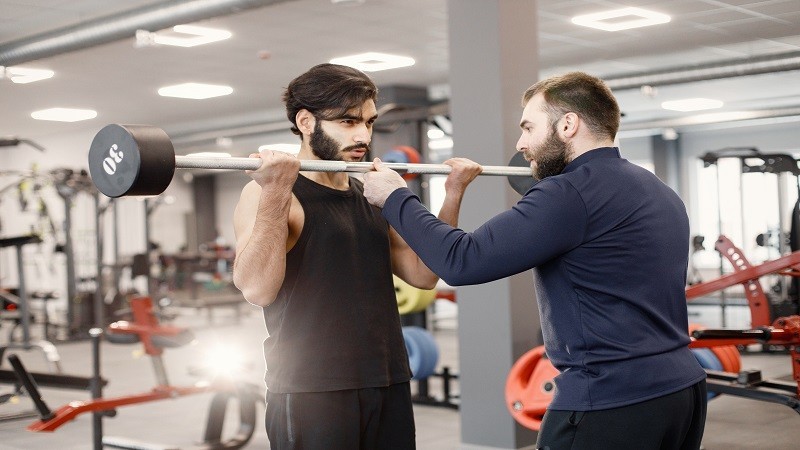
Strength training can help people become stronger, move with greater confidence, improve physical performance, and maintain functional fitness as they age. However, getting good results involves more than simply lifting heavier weights every week. The guidance you receive can make a major difference in how safely and effectively you progress.
That is why choosing the right strength trainers deserves careful consideration. A knowledgeable trainer does more than count repetitions or demonstrate exercises. They understand movement, adjust programs to individual abilities, monitor progress, and teach clients how to train effectively over the long term.
According to current CDC physical activity recommendations, adults should perform muscle-strengthening activities at least two days per week, covering all major muscle groups. Having professional guidance can make those training sessions more structured, purposeful, and appropriate for your current fitness level.
So, what separates an average trainer from a great one?
1. Good Strength Trainers Understand Proper Exercise Technique
Technique should always come before heavier weight.
Experienced strength trainers understand how exercises such as squats, presses, rows, deadlifts, lunges, and carries should be performed. More importantly, they know that exercise technique may need to be adjusted based on a person’s mobility, experience, body structure, and training goals.
A good trainer watches closely instead of simply telling you to complete another repetition.
They should notice issues such as poor balance, loss of posture, limited range of motion, or compensation patterns. Small adjustments to stance, grip, tempo, or resistance can often make an exercise safer and more effective.
The goal is not necessarily to make every movement look identical. It is to help each client perform movements correctly for their individual abilities.
2. They Create Individualized Strength Programs
A workout copied from social media is not a personalized training program.
Great strength trainers begin by understanding the person standing in front of them. A 25-year-old athlete preparing for competition requires a very different program from a 55-year-old beginner who wants to become stronger for everyday activities.
Before developing a program, a trainer should consider factors such as:
- Current fitness level
- Exercise experience
- Strength and mobility
- Previous injuries
- Available training time
- Lifestyle and recovery
- Short- and long-term goals
From there, the trainer can choose appropriate exercises, training volume, resistance, repetitions, and recovery periods.
Progressive Training Matters
Strength improvement usually requires progression. However, progression does not always mean adding more weight.
A knowledgeable trainer may increase repetitions, improve technique, adjust tempo, add sets, change an exercise variation, or gradually increase resistance.
Progress should be challenging without becoming reckless.
3. Strong Communication Skills Are Essential
Knowing exercise science is important, but trainers must also be able to explain that knowledge clearly.
The U.S. Bureau of Labor Statistics specifically identifies communication skills as an important quality for fitness trainers because they need to clearly explain exercises to clients. The agency reported approximately 388,400 fitness trainer and instructor jobs in 2025 and projects employment to grow 7% between 2025 and 2035.
Effective trainers explain what you are doing, how to perform it, and why it belongs in your program.
They also listen.
If an exercise causes unexpected discomfort or something simply does not feel right, a trainer should take that feedback seriously rather than pushing you through the movement without evaluation.
4. They Know How to Balance Challenge and Safety
Strength training should challenge you, but every workout does not need to leave you exhausted.
Quality strength trainers understand when to increase intensity and when to reduce it. Some training days may involve heavier resistance, while others may focus on technique, controlled repetitions, mobility, or recovery.
This is especially important for beginners.
Someone who has never trained consistently may benefit more from learning foundational movements with moderate resistance than attempting advanced exercises immediately.
The CDC notes that fitness levels differ between individuals and recommends choosing activities that match a person’s abilities and condition.
A responsible trainer respects those differences.
5. They Track Progress Instead of Guessing
Good training should produce measurable progress over time.
Professional strength trainers often keep records of exercises, weights, repetitions, sets, and other performance indicators. These records allow both trainer and client to see whether the program is working.
Progress might include:
- Lifting heavier resistance
- Completing additional repetitions
- Improving exercise technique
- Increasing range of motion
- Recovering faster between sets
- Performing exercises that were previously difficult
- Feeling stronger during everyday activities
Not every improvement appears as a bigger number on the barbell.
For many people, being able to climb stairs comfortably, carry groceries more easily, or maintain better balance can be equally meaningful.
6. A Good Trainer Educates Rather Than Creates Dependence
One of the strongest signs of quality coaching is education.
Your trainer should gradually help you understand exercises, equipment, proper technique, recovery, and basic programming principles.
Over time, you should become more confident in the gym instead of feeling completely dependent on someone else to tell you what to do.
The best strength trainers want clients to understand their own training.
They explain why certain exercises are selected, how resistance should progress, when additional recovery may be needed, and how consistency contributes to long-term results.
7. They Are Professional, Reliable, and Supportive
Knowledge matters, but professionalism also influences the training experience.
A good trainer arrives prepared, respects scheduled appointments, maintains appropriate professional boundaries, and gives clients their full attention during training sessions.
They should motivate without humiliating or intimidating you.
Some people respond well to energetic coaching, while others prefer calm encouragement. Skilled trainers learn how to communicate in a way that supports the individual rather than forcing every client into the same coaching style.
How to Choose Between Strength Trainers
Before committing to a trainer, consider scheduling an introductory consultation.
Ask about their education, certifications, training experience, coaching philosophy, and experience working with people who have goals similar to yours. Reputable employers commonly prefer fitness trainers who hold professional certifications, according to the Bureau of Labor Statistics.
Pay attention to the questions the trainer asks you as well.
A good trainer should want to understand your goals, exercise history, limitations, schedule, and expectations before recommending a program.
Find a Strength Trainer Who Fits Your Goals
Choosing between strength trainers should not simply come down to who can design the hardest workout.
The right trainer combines technical knowledge, communication, personalized programming, safety awareness, progress tracking, and genuine attention to the client’s goals.
Strength training is a long-term process. Working with someone who understands how to progressively challenge you while respecting your individual abilities can make training more productive and enjoyable.
Ultimately, a good strength trainer does more than help you lift weights. They help you develop the knowledge, movement skills, confidence, and consistency needed to become stronger over time.