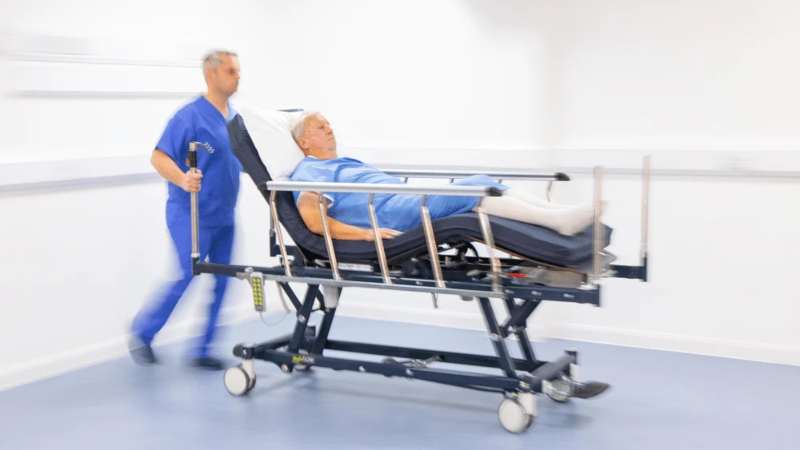
Transporting bariatric patients safely requires equipment and procedures designed to accommodate higher weight capacities and larger body sizes. Standard stretchers and transport methods may not provide adequate support, stability, or comfort, increasing the risk of injury to both patients and caregivers. Specialized stretchers designed for bariatric use offer reinforced frames, wider surfaces, higher weight limits, and secure restraints to ensure safe movement. These devices also facilitate smoother transfers between hospital beds, transport vehicles, and treatment areas. Proper use of bariatric stretchers improves patient dignity, reduces the risk of falls or strains, and enhances the efficiency of medical transport teams.
Design Features for Safety
- Supporting Patients With Enhanced Equipment
Bariatric stretchers are engineered to support heavier patients safely while minimizing risk to healthcare personnel during transfers. Reinforced frames, wider beds, and high-capacity wheels provide stability and balance, even on inclines or uneven surfaces. The wider design reduces pressure points, improving comfort during longer transports, and integrated restraint systems help prevent patient falls or shifts during movement. Medical transport teams using these stretchers can safely lift, tilt, or maneuver patients without overexertion, reducing musculoskeletal injuries among caregivers. Hospitals and transport providers increasingly rely on Bariatric Stretcher transportation to maintain safety standards while accommodating patients with diverse body types. The design allows for smooth transitions from bed to stretcher, through hallways, and into ambulances, improving both patient care and operational efficiency.
- Reducing Injury Risk for Caregivers
Handling bariatric patients can place significant physical strain on nurses, EMTs, and other caregivers. Without proper equipment, lifting or repositioning patients can result in back injuries, muscle strains, or repetitive strain injuries. Specialized stretchers help distribute weight evenly, incorporate mechanical lift assists, and provide secure surfaces that reduce the need for manual exertion. These safety features allow caregivers to transport patients more efficiently and with less risk of injury. In addition, training in the correct use of these stretchers ensures that teams can coordinate movement, use brakes and locks effectively, and respond to sudden shifts during transfer. Reducing caregiver injury also protects the facility by limiting worker compensation claims, staffing shortages, and operational disruptions.
- Facilitating Smooth Transfers
Transfers between beds, gurneys, and transport vehicles require careful coordination to avoid patient discomfort or injury. Bariatric stretchers are equipped with adjustable heights, sliding surfaces, and locking mechanisms that make it easier to align with hospital beds or ambulance stretchers. These features reduce awkward lifting angles and friction, making the process smoother for both patients and staff. When a patient needs to move quickly for urgent treatment or diagnostic testing, specialized stretchers allow rapid, controlled movement while maintaining safety. Smooth transfers enhance patient confidence, minimize anxiety, and prevent potential harm during high-stress situations. For facilities that regularly handle bariatric patients, these devices are integral to daily operations and emergency preparedness.
- Supporting Comfort and Dignity
Patient comfort and dignity are essential considerations in bariatric transport. Wider beds, padded surfaces, and adjustable positions help maintain comfort during movement and reduce the risk of skin irritation, pressure sores, or joint strain. Integrated restraints ensure safety without causing embarrassment or discomfort, allowing patients to remain in secure and supported positions. Caregivers can also maintain privacy and respectful positioning during transport, which contributes to a positive patient experience. Safe, comfortable transport can decrease stress, promote cooperation, and improve patient outcomes, particularly for individuals who may already experience mobility challenges or anxiety about medical visits.
- Operational Efficiency in Facilities
Facilities that care for bariatric patients benefit operationally from stretchers designed for higher capacity. The devices allow teams to complete transfers more quickly and safely, freeing staff to attend to other patient needs. Efficient transport reduces delays for diagnostics, treatment, or discharges while minimizing interruptions in emergency care workflows. The reduced physical effort required for movement also lowers staff fatigue, allowing teams to maintain higher productivity and better focus on patient care. Incorporating these stretchers into routine operations ensures that bariatric patients receive timely and safe transport, while healthcare teams maintain consistent standards for performance, safety, and workflow efficiency.
- Emergency Response Preparedness
Bariatric stretchers also play a critical role in emergencies where rapid transport is necessary. Patients who need immediate intervention require secure, reliable equipment that can be maneuvered quickly without compromising safety. Emergency teams can rely on reinforced frames, hydraulic lifts, and wide platforms to safely evacuate or transfer patients during urgent events. The ability to safely move heavier patients without improvisation reduces risk, improves response times, and ensures adherence to protocols. This level of preparedness is essential for hospitals, outpatient facilities, and long-distance transport services to provide consistent care under high-pressure scenarios.
Essential Tools for Safe Transport
Specialized stretchers are essential for the safe and efficient transport of bariatric patients. Their reinforced frames, wider beds, lift assists, and integrated restraints protect patients from falls and injury while reducing strain on caregivers. Smooth transfers, comfort features, and emergency readiness enhance both safety and patient dignity. Facilities using these devices experience improved operational efficiency, reduced staff injuries, and more consistent care during routine and urgent transports. By incorporating specialized stretchers into daily practice, healthcare providers ensure that bariatric patients receive secure, comfortable, and respectful treatment while maintaining the safety and well-being of all personnel involved.