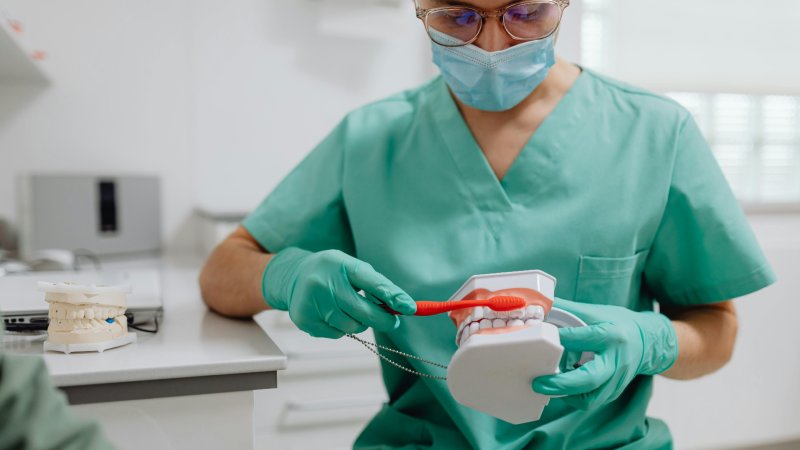
Maintaining optimal oral hygiene is essential for preventing gum disease, a common affliction that affects a significant portion of the population. While daily brushing and flossing form the bedrock of oral care, the integration of interdental brushes into daily routines offers an enhanced approach to combating this silent threat to oral health.
Understanding Gum Disease
Gum disease, or periodontal disease, encompasses conditions that affect the supporting structures of the teeth, including the gums. It typically begins with gingivitis, characterized by inflammation of the gums, which can progress to periodontitis if left untreated. Periodontal disease is primarily caused by the buildup of plaque, a sticky film of bacteria that ultimately leads to infection and deterioration of gum tissue.
The Importance of Plaque Removal
Plaque is notoriously difficult to remove in areas where toothbrush bristles cannot reach, particularly between the teeth and under the gum line. Over time, plaque hardens into tartar, exacerbating gum disease and contributing to tooth decay. Effective removal of plaque is thus crucial in preventing gum disease and maintaining oral health.
The Advantages of Interdental Brushes
Interdental brushes are specially designed to clean the spaces between teeth, places that ordinary toothbrushes often miss. Their bristles are adept at reaching deeper into periodontal pockets, thus providing a more thorough cleaning. This makes them a valuable tool in reducing interdental plaque and, by extension, the risk of gum disease.
Improved Accessibility
One of the key benefits of interdental brushes is their ability to improve accessibility to difficult areas of the mouth. For individuals with dental crowns, bridges, or orthodontic appliances, traditional flossing can be challenging. Interdental brushes are often more effective in such scenarios, making them an invaluable addition to the dental care routine.
Gentle on the Gums
Unlike some flossing techniques that can cause gum irritation, interdental brushes are designed to be gentle on the soft tissues of the mouth. This ensures users can maintain daily cleaning regimens without the discomfort that might discourage consistent use.
How to Use Interdental Brushes Effectively
For maximum benefit, it is crucial to use interdental brushes correctly. They should be inserted gently into the spaces between the teeth without force. Moving the brush back and forth several times in each space helps dislodge food particles and plaque. It is advisable to use the right size of brush for different spaces, as varying gaps between teeth may require different brush sizes for effective cleaning.
Recommended Frequency of Use
Dental professionals typically recommend using interdental brushes at least once a day. Incorporating them into the evening oral hygiene routine, when plaque accumulation throughout the day is highest, can be particularly beneficial. Consistency in usage helps to maintain low levels of plaque and prevent the onset or progression of gum disease.
Integrating Interdental Brushes with Other Dental Products
Interdental brushes can be combined with other oral care products such as antiseptic mouthwashes for comprehensive gum disease prevention strategies. This multi-faceted approach can effectively disrupt bacterial proliferation and improve overall oral hygiene.
Clinical Evidence Supporting Interdental Brushes
Research supports the efficacy of interdental brushes in reducing gingival bleeding and plaque when used as part of a comprehensive oral hygiene regimen. Studies indicate that they can be more effective than conventional flossing in certain cases, particularly when tailored to individual dental needs.
Conclusion
The integration of interdental brushes into daily oral care practices plays a pivotal role in preventing gum disease. Their ability to reach areas that traditional brushing and flossing cannot, coupled with their gentle action on gums, makes them an ideal supplement for dental hygiene. Regular use of interdental brushes not only enhances oral health but also helps prolong the longevity of dental work.
In summary, adopting interdental brushes as part of a daily oral hygiene routine is a proactive step individuals can take to forestall gum disease and foster better oral health outcomes.