
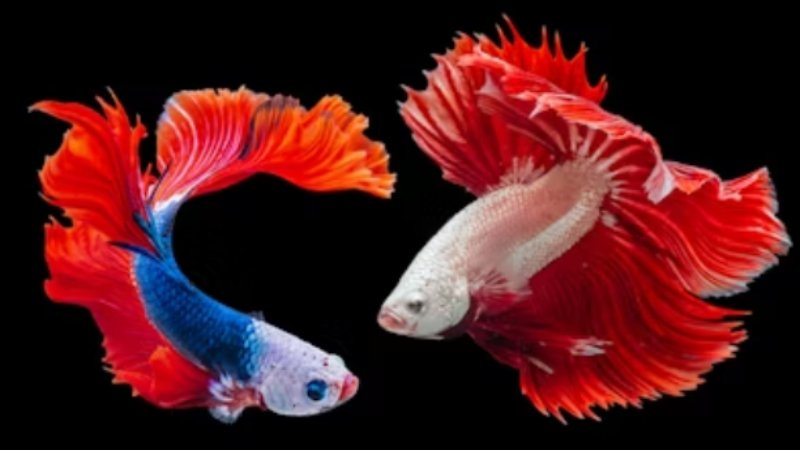
Betta fish, or Siamese fighting fish, are celebrated for their vivid colors and flowing fins, captivating the interest of aquarists worldwide. Many enthusiasts are drawn to the diversity offered by curated collections such as those available through Tropicflow, which provides a wide array of male bettas, celebrated for their distinctive beauty. These fish, beloved for their aesthetic appeal and intriguing behaviors, represent a unique addition to any aquarium.
Understanding Betta Fish Origins and Behavior
The betta fish’s natural habitat originates in shallow freshwater environments like rice paddies, ponds, and slow-moving streams. Understanding this origin is pivotal for aquarists aiming to create an ideal environment mimicking their natural settings, thereby promoting the health and vitality of these fish. Betta fish are known for their territorial nature, with males particularly infamous for their aggression towards one another. This behavior necessitates careful consideration concerning tank mates and separation in community tank settings to avoid conflict and injury.
Creating the Ideal Betta Habitat
Curating an environment that mirrors their natural setting is crucial in ensuring the bettas thrive. A tank of at least 5 gallons is recommended for a single male betta, providing ample swimming space. Ensuring the water is clean, warm, and properly filtered is also paramount, as bettas are sensitive to water conditions. The water temperature should ideally be maintained between 24 and 28 degrees Celsius.
Including live plants not only enhances the tank’s aesthetic but also benefits water quality and provides hiding spaces, reducing stress for these sensitive creatures. Moreover, choosing gentle filtration systems prevents strong currents that can stress the fish. Subdued lighting patterns resembling dusk and dawn can be beneficial in reflecting their natural habitats, supporting healthier life cycles for the fish.
Dietary Needs of Betta Fish
Bettas are carnivorous, with a diet primarily consisting of insects and larvae in the wild. Replicating a protein-rich diet in captivity is vital for their health. High-quality betta pellets or flakes, supplemented with live or frozen foods such as brine shrimp or bloodworms, provide the necessary nutrients. Care must be taken to avoid overfeeding, as bettas are prone to obesity. Their eating habits and maintaining a schedule ensures they receive adequate nutrition without excess.
Observing Betta Fish Behavior
Observing your betta’s behavior provides insights into their health and well-being. Healthy bettas are active and responsive, often displaying their fins in a full flare. Conversely, signs of illness or stress, such as clamped fins, lethargy, or erratic swimming patterns, require immediate attention. Creating an environment where they can thrive without stress, through adequate tank space, clean water, and proper nutrition, helps mitigate these issues.
Regular tank maintenance is crucial for their health. Routine water changes, keeping the tank clean, and monitoring water parameters prevent common illnesses. Quarantining new fish before introducing them to your main aquarium protects against the spread of disease.
Bettas in Community Tanks
While traditionally kept alone due to their aggressive nature, bettas can coexist with other species under careful conditions. Selecting compatible tank mates is critical. Peaceful fish that are not likely to display aggression or compete for space, such as certain species of tetras or corydoras catfish, often make suitable companions. Careful observation and a gradual introduction can facilitate a harmonious community tank environment.
Each fish must have ample space to establish its territory. Aquascaping with plants and hiding spots can provide each inhabitant with a defined area, reducing tension and promoting peaceful coexistence. Regular monitoring of interactions assists in maintaining a balanced community tank.
The Importance of Routine Veterinary Care
While often overlooked, veterinary care is an integral part of maintaining betta health. Fish veterinarians can provide guidance on disease prevention, nutrition, and environment optimization. Regular check-ups help identify potential health issues before they become problematic. This investment in preventive care is invaluable in maintaining vibrant, healthy bettas.
Investing in Quality Accessories
Quality accessories contribute significantly to the overall well-being of aquarium inhabitants. Opting for reputable brands when selecting items such as filters, heaters, and tank decorations ensures they are safe and non-toxic, particularly important for sensitive species like bettas. Regular inspection for wear and tear minimises risks associated with equipment malfunction or chemical leaching.
The Commitment to Betta Fish Ownership
Owning a betta fish is a rewarding experience that demands commitment and knowledge, and dedication. Understanding their historical significance, behavioral characteristics, and specific care requirements enriches the ownership experience and fosters a deeper appreciation for these exquisite creatures.
For serious hobbyists, participating in betta shows and joining betta enthusiast communities can provide further insights and foster shared knowledge. Engaging in these communities offers opportunities for learning from seasoned aquarists, discovering novel care techniques, and participating in breeding programmes aimed at producing vibrant new betta strains.
Through meticulous care and attention to detail, aquarists can cultivate an environment in which their bettas not only survive but thrive. The splendor and elegance that these fish bring to home aquariums are unparalleled, and the dedication they inspire speaks volumes about their place in the aquascaping world.