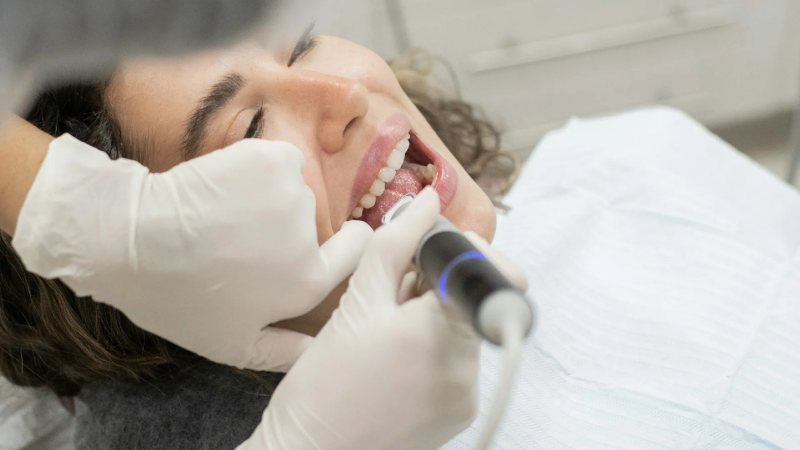
A lot of adults still feel nervous before dental appointments.
Usually it starts years earlier.
A painful filling as a child.
The sound of old dental drills.
Long appointments that felt uncomfortable from the moment someone sat in the chair.
Even now, many people across Australia delay appointments longer than they should because those memories never fully disappear.
The interesting part is that modern dentistry looks very different today compared to what many people still imagine.
Why Dental Phobia and Treatment Anxiety Became So Common
For years, dental treatment was associated with discomfort.
Older technology often meant:
| Older Dental Experience | Common Patient Reaction |
| Loud drills | Anxiety before appointments |
| Longer procedures | Stress and tension |
| Messy impressions | Discomfort |
| Delayed diagnosis | Bigger treatments later |
| Visible dental tools | Fear response |
That fear became fairly normal.
Some people only visited a dentist when pain became impossible to ignore. Others cancelled appointments repeatedly even when they knew treatment was necessary.
How Modern Painless Dentistry Differs From Traditional Care
The biggest change is usually comfort.
Dental clinics now use technology that makes appointments faster, quieter and far more precise than older treatment methods. In many cases, patients who avoided dentists for years are surprised by how calm modern appointments feel.
Advanced Technology That Is Changing Patient Experience
- Digital scanners replacing messy impressions: Eliminates the gag reflex caused by traditional alginate molds.
- Quieter electric handpieces: Operates via smooth electrical rotation to eliminate the high-pitched, anxiety-inducing whine of air-driven drills.
- Laser dentistry for certain procedures: Uses concentrated light energy to remove decay, often eliminating the need for needles and local anesthesia.
- 3D CBCT imaging for accurate diagnosis: Provides highly detailed views of bone structure to plan non-invasive surgeries before they begin.
- Same day CEREC crown technology: Utilizes in-office 3D printing to compress multiple multi-hour procedures into a single, efficient visit.
- Improved computer-assisted numbing techniques: Delivers local anesthetic at a precise, controlled pressure to eliminate the sting of standard injections.
- Less invasive treatment planning: Focuses on micro-dentistry principles to preserve natural tooth structure.
Not every clinic uses every technology.
Still, patient comfort has become a much bigger focus across modern dentistry overall.
The Psychology of Sound and Dental Anticipation
Sometimes it is not pain people fear most.
It is anticipation.
The sound alone creates stress before treatment even begins. That is partly why quieter equipment and minimally invasive technology have changed patient experiences so significantly over the past decade.
Smaller improvements usually matter more than people expect.
Shorter appointments.
Better communication.
More accurate treatment.
Less discomfort during recovery.
All of those things gradually reduce fear over time.
Preventative Dentistry Usually Means Smaller Procedures
One thing dentists mention fairly often is how delayed appointments usually create bigger problems later.
- Small cavities become root canals.
- Minor cracks worsen.
- Gum irritation becomes long term gum disease.
That cycle often increases anxiety because treatments become more complicated once issues are ignored for too long.
Modern preventative care focuses heavily on catching issues early before treatment becomes stressful or expensive.
Across Sydney suburbs like Bella Vista, many patients now look for clinics focused on patient comfort and modern technology, including providers such as denstistry on solent where reducing treatment anxiety has become part of the overall patient experience.
Signs Dental Anxiety Might Be Affecting Your Oral Health
A lot of people do not realise anxiety is shaping their decisions until problems worsen.
Common Signs Include:
- Delaying routine check ups
- Cancelling appointments repeatedly
- Only visiting during emergencies
- Feeling tense before cleanings
- Difficulty sleeping before appointments
- Avoiding conversations about dental treatment
These habits become fairly common once fear builds over several years.
Modern Dental Technology vs Older Experiences
| Traditional Dentistry | Modern Dentistry |
| Loud air-driven equipment | Quiet electric technology |
| Manual putty impressions | Digital intraoral scanning |
| Longer, multi-visit appointments | Faster, single-day procedures |
| Reactive, invasive treatment | Preventative, micro-dentistry focus |
| Higher postoperative discomfort | Improved patient comfort systems |
Patients usually notice the difference immediately during appointments.
That is often what changes their confidence moving forward.
What Patients Value Most in Modern Clinical Care
It is not always the technology itself.
- Usually patients value:
- Clear explanations
- Faster appointments
- Less pain during recovery
- More accurate treatment planning
- Feeling calmer during procedures
- Seeing issues early before they worsen
Trust tends to improve once people stop expecting every appointment to feel uncomfortable.
FAQs
Is modern dentistry really less painful now?
Yes, modern dentistry is significantly less painful due to advanced computer-regulated anesthetics, laser tools that don’t generate friction heat, and micro-invasive surgical techniques that reduce nerve disruption.
Are dental drills still used?
Yes, but they are different. Modern electric handpieces deliver constant torque that eliminates standard vibration and reduces noise by up to 50% compared to traditional air-turbine drills.
What helps reduce dental anxiety before appointments?
Clear communication with your clinician, booking shorter morning appointments, and choosing a modern clinic that offers digital technology or dental sedation options can dramatically minimize stress.
Why do people avoid dentists for years?
Usually, previous negative childhood experiences, fear of needles or drill sounds, and systemic anxiety regarding perceived treatment discomfort contribute to delayed visits.