When it comes to developing strong and flexible hamstrings, both nordic curls and leg curls are popular exercises. Each provides distinct benefits and can be executed using appropriate nordic bench or machines. However, understanding the differences and advantages of each can help strength training enthusiasts make informed decisions for their workout routines.
The Importance of Hamstring Strength
The hamstrings play a critical role in various athletic movements, including sprinting, jumping, and even walking. Strong hamstrings contribute to overall leg strength, reduce the risk of injury, and are fundamental for athletic performance. Incorporating hamstring-specific exercises into a training routine is therefore essential for both athletes and everyday fitness enthusiasts.
Understanding Nordic Curls
Nordic curls, often performed on a nordic curl bench, are bodyweight exercises that target the hamstrings. This exercise involves securing the feet and lowering the upper body towards the ground, engaging the hamstrings throughout the movement. Nordic curls are renowned for being an eccentric exercise, emphasising muscle lengthening under tension, thereby improving strength and flexibility.
Advantages of Nordic Curls
One of the primary advantages of nordic curls is their eccentric focus, which is essential for building stronger and more resilient hamstrings. The exercise also requires minimal equipment besides a secure bench, making it accessible for many individuals. Additionally, nordic curls activate the hamstring muscles in a manner highly similar to athletic activities, thus providing functional strength benefits.
Exploring Leg Curls
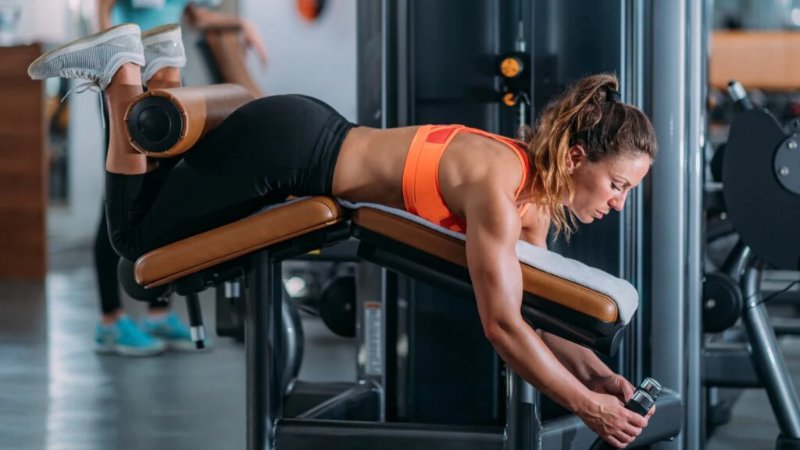
Leg curls, often performed on a machine, are a staple in most gyms. This exercise isolates the hamstrings by having the individual flex their knees against resistance. Despite being less functionally aligned with athletic motions compared to nordic curls, leg curls are excellent for developing hamstring thickness and initiating muscle hypertrophy.
Benefits of Leg Curls
Leg curls enable precise targeting of the hamstring muscles due to their isolation nature. This can be particularly beneficial for individuals looking to increase muscle size or address muscle imbalances. Furthermore, the controlled environment of a leg curl machine allows for a safer increase in resistance, aiding in progressive overload. In places like Sydney, finding quality gym equipment in Sydney ensures these exercises can be performed effectively.
Key Differences Between Nordic Curls and Leg Curls
The primary difference between nordic curls and leg curls lies in their execution and muscle engagement. Nordic curls rely heavily on body weight and engage the hamstrings through full-length eccentric movements. In contrast, leg curls use machine resistance to focus on concentric and eccentric phases.
Which Exercise is Better for Hamstring Development?
The effectiveness of either exercise largely depends on individual goals. For functional strength and injury prevention, nordic curls offer considerable benefits due to their eccentric nature. Conversely, for individuals aiming to increase hamstring mass, leg curls provide the isolation needed to maximise muscle growth.
Incorporating Both Exercises into a Routine
A balanced workout regimen can include both nordic and leg curls to achieve comprehensive hamstring development. Alternating these exercises throughout the week can harness the benefits of both exercises, improving both strength and muscle hypertrophy over time.
Considerations for Safe Practice
Regardless of the chosen exercise, proper form and execution are paramount to avoid injury. It is advisable to begin with lighter resistance or assistive measures when attempting nordic curls. For leg curls, ensuring the correct setup and alignment on machines is essential.
Progressive Overload in Hamstring Training
Progressive overload is a key principle in muscle development. Gradually increasing resistance or intensity in both nordic curls and leg curls can yield significant improvements in hamstring strength and size. Tracking progress and adjusting workout regimens accordingly is recommended.
Conclusion: Choosing Based on Personal Fitness Goals
Whether incorporating a nordic curl bench for eccentric hamstring training or relying on leg curl machines for targeted muscle development, the choice of exercise should align with personal fitness aspirations. Understanding the unique benefits of both exercises allows individuals to tailor their training effectively and maximise results in hamstring development.