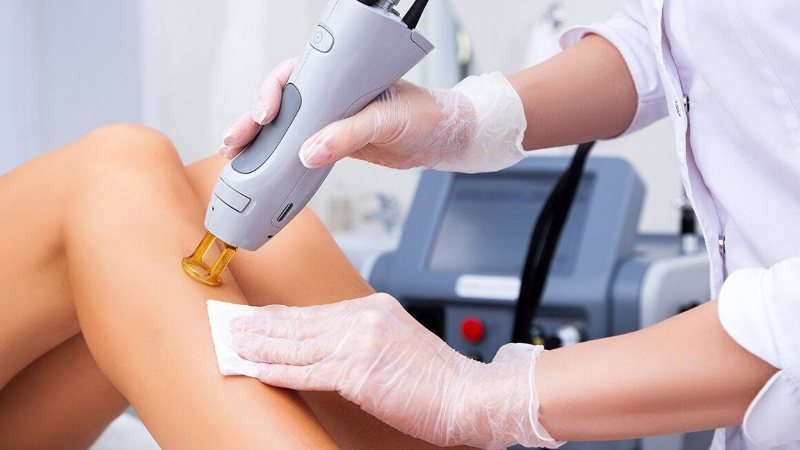
The daily routine of grooming is fast becoming obsolete across Australia. In cities like Sydney and Melbourne, individuals are moving away from traditional grooming habits that require constant upkeep. The focus has turned to practical alternatives that save time and reduce the need for constant maintenance.
Modern grooming prioritizing long term efficiency has made permanent hair reduction a standard choice for people managing busy personal and professional schedules.
How Selective Photothermolysis Impacts the Hair Root
Understanding why traditional hair removal fails requires looking at the anatomy of a hair follicle. Shaving simply cuts the hair shaft at the surface, which leads to immediate regrowth and sharp stubble. Waxing pulls the hair out by the root, but the underlying follicle bulb remains healthy and quickly creates a replacement hair.
Clinical treatments stop this cycle entirely through a process called selective photothermolysis. The laser emits a specific wavelength of light that targets the pigment inside the hair shaft. This light instantly converts into heat energy, traveling down the hair channel to disable the follicle bulb and stop future growth.
- Shaving : Cuts only the surface hair. Grows back sharp tomorrow.
- Waxing : Pulls the hair out. The root stays alive and grows back soon.
- Laser : Disables the root with gentle heat. Stops future growth.
Because your hair grows in different cycles at different times, the laser can only catch hairs when they are in their active growth phase. This is why you need a few sessions spaced out over several weeks to get the best results.
Shaving vs. Waxing vs. Laser
Shaving and Hair Removal Creams
- How it works: Cuts hair at the skin surface.
- Skin impact: Can cause razor bumps, ingrown hairs, and dry, itchy skin.
- Time spent: Every one to three days.
Waxing and Epilating
- How it works: Pulls hair out by the root mechanically.
- Skin impact: Stretches the skin and causes temporary red bumps and pain.
- Time spent: Every three to four weeks.
Laser Hair Removal
- How it works: Softens and stops growth at the root using light energy.
- Skin impact: Keeps the surrounding skin safe and smooth.
- Time spent: A short series of initial sessions, then rare touch-ups.
Addressing Skin Irritation and Changing Demographics
The rise in popularity of professional laser hair removal is not just about aesthetics. For a large percentage of Australians, the main goal is eliminating chronic skin irritation.
Shaving thick or coarse hair frequently causes pseudofolliculitis barbae, where regrowing hairs curl back into the skin and cause painful, red bumps. This issue is particularly common on the neck line for men and the bikini line for women. By stopping hair growth at the root, the laser removes the cause of this inflammation, allowing the skin barrier to heal completely.
This focus on skin comfort has led to a major demographic shift. Men now make up a substantial portion of clinical clients. Rather than seeking complete hair removal, many men use laser treatments to thin out dense hair or clean up specific areas like the back, shoulders, chest, and neck line to make daily maintenance easier.
What to Check Before Your First Laser Session
A safe and successful outcome relies on proper clinical standards and customized treatment parameters.
Skin Type and Safety Match
Every reputable treatment begins with an assessment using the Fitzpatrick skin scale. Lighter skin types with dark hair respond excellently to the Alexandrite laser wavelength. Deeper skin tones require an Nd YAG laser, which has a longer wavelength that bypasses surface skin pigment to target the hair root safely without causing burns.
Pre Treatment Rules
To ensure the laser can target the root effectively, you must avoid plucking, waxing, or using epilators for at least four weeks before your appointment. However, you should close shave the entire area twenty four hours prior to treatment so the laser light can focus straight into the follicle base without burning surface hair.
Post Treatment Care
Directly after a session, the skin will show slight redness and heat. Applying pure aloe vera or a cooling clinical balm helps soothe the area. It is vital to avoid hot baths, gyms, and saunas for twenty four hours, and to apply a high SPF sunscreen daily to protect the treated skin from UV exposure.
FAQs
Is the treatment painful?
Most clients describe the sensation as a quick, warm snap against the skin. Modern medical equipment includes built in cooling systems that blow chilled air onto the skin during the pulse, which greatly reduces discomfort.
How many sessions are usually required?
Most individuals require six to eight sessions spaced several weeks apart. This timeline ensures the laser treats every hair follicle during its active growth window.
Can individuals with blonde or grey hair get treatments?
Laser technology relies on matching the pigment inside the hair shaft. Because blonde, grey, and red hair lack sufficient dark melanin, traditional laser treatments are generally not effective for these specific hair colours.
Will the hair ever grow back completely?
The treatment results in long term, permanent hair reduction. While some dormant follicles may activate over time due to hormonal changes, any regrowing hair is typically much finer, lighter, and sparse, requiring only an occasional maintenance session.
Final points:
Choosing permanent hair reduction is a simple way to reclaim time and protect your skin health. Moving away from daily shaving and monthly waxing allows you to avoid ongoing skin irritation, ingrown hairs, and constant maintenance costs.
To achieve smooth, lasting results safely, rely on qualified professionals who use medical grade technology. Book a consultation with a certified dermal practitioner today to evaluate your skin profile and establish your personalized treatment schedule.