
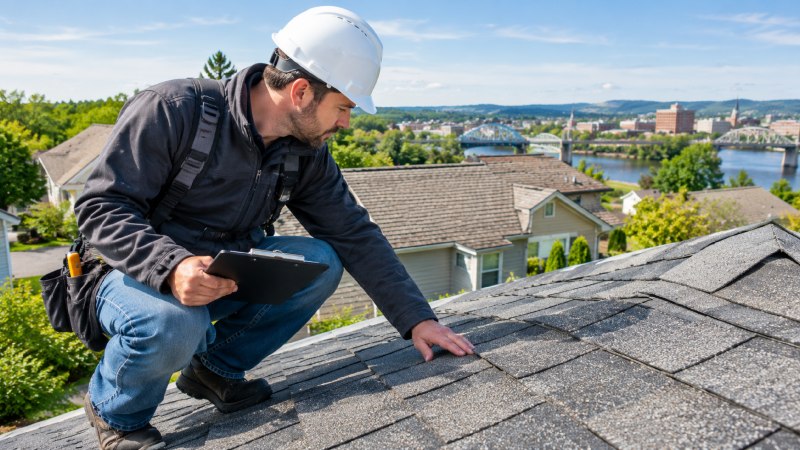
Hiring a roofing company in Hamilton, Ohio, is a significant investment for any homeowner. Whether you’re dealing with a small roof leak, replacing aging shingles, or repairing storm damage, understanding how roofing contractors calculate their prices helps you avoid unnecessary expenses and make informed decisions.
Not every Hamilton Ohio roofing company uses the same pricing structure. Some charge by the square foot, others provide fixed project estimates, and certain repairs are billed based on labor and materials. The final cost also depends on roof size, accessibility, material selection, and the condition of the underlying structure.
Before signing a roofing contract, homeowners should understand how different pricing models work, what their estimates include, and which additional charges can increase the final bill.
How Do Hamilton Roofing Companies Structure Their Pricing?
Most roofing contractors in Hamilton use one of four primary pricing models. Understanding these approaches makes it easier to compare estimates and determine whether a quote accurately reflects the work required.
1. Price Per Roofing Square
One of the most common pricing methods for roof replacement is charging by the roofing square.
A roofing square represents 100 square feet of roof surface. Contractors calculate the total roof area, including slopes and other measurements, to determine how much material and labor the project requires.
For example, a roof measuring 2,000 square feet contains 20 roofing squares before accounting for material waste and other adjustments.
The quoted price per square generally reflects several expenses, including shingles, installation labor, underlayment, and other specified materials.
However, two companies quoting the same price per square may include different services. One estimate might cover removing the existing shingles and replacing flashing, while another lists those services separately.
What homeowners should ask: Does the price per square include removal, disposal, underlayment, flashing, ventilation components, and installation?
2. Fixed-Price Roofing Estimates
A fixed-price estimate provides one agreed-upon amount for a clearly defined roofing project.
This pricing structure is common for complete roof replacements and larger repair projects where the contractor can establish the work requirements in advance.
For example, a contractor might quote a total project price that includes removing the existing roof, installing new materials, and cleaning the property afterward.
The advantage is predictability. Homeowners know the contracted price before work begins.
However, fixed-price contracts often contain provisions for unforeseen conditions, such as rotten roof decking discovered after removing old shingles.
What homeowners should ask: Which circumstances allow the contractor to increase the original price, and how will those changes be approved?
3. Time and Materials Pricing
Some Hamilton roofing contractors charge for labor hours and materials rather than providing one predetermined project price.
This structure is more common for repairs where the full extent of the problem cannot be determined until work begins.
For example, repairing a leak around a chimney may require removing several shingles and inspecting the flashing before the contractor knows exactly what needs replacement.
Time-and-materials pricing offers flexibility, but homeowners should understand the hourly labor rate, material markup, minimum service charges, and any limits on total spending.
What homeowners should ask: Is there an estimated price range, and will additional work require approval before the contractor proceeds?
4. Emergency Roofing Service Pricing
Emergency roofing services often follow a different pricing structure because immediate protection and temporary repairs may be required.
After severe wind, hail, or heavy rainfall in Hamilton, contractors may charge separately for emergency tarping, temporary leak prevention, or after-hours service.
Emergency service pricing can include dispatch fees, labor minimums, materials, and charges for work performed outside normal business hours.
A temporary repair is not necessarily included in the price of a later permanent repair.
What homeowners should ask: Is emergency stabilization included in the permanent repair estimate, or will it be billed separately?
What Are the Typical Costs of Roofing Services in Hamilton, Ohio?
Roofing costs vary based on the materials, project size, roof complexity, and extent of damage.
The following ranges provide general budgeting guidance rather than verified local contractor quotes.
| Roofing service | General estimated cost |
| Minor roof repair | 200–600 |
| Moderate roof leak repair | 500–1,500 |
| Extensive roof repairs | 1,500–4,000+ |
| Asphalt shingle roof replacement | 7,500–20,000+ |
| Metal roof replacement | 12,000–35,000+ |
| Roof decking replacement | Additional charge based on damaged area |
These are broad planning estimates, not guaranteed prices. For context, 2026 Ohio roof replacement cost reports show considerable variation, with one homeowner-reported dataset placing many projects between $11,000 and $20,000.
The most reliable way to determine a fair price is to request multiple written estimates based on the same materials and project specifications.
What Hidden Fees Should Homeowners Watch for in Roofing Estimates?
A roofing estimate can appear affordable initially but become significantly more expensive when additional charges are introduced.
Not every additional expense is unreasonable. Some costs result from legitimate structural problems discovered during construction. The concern is whether those expenses were explained before the homeowner signed the contract.
Roof Tear-Off and Disposal Fees
Removing existing roofing materials requires labor, equipment, and disposal services.
Some contractors include these expenses in their initial estimate. Others charge separately for removing old shingles, renting dumpsters, and transporting debris.
Homes with multiple layers of existing shingles can require additional removal work.
Before accepting an estimate, ask whether tear-off and disposal costs are included and whether additional layers will increase the price.
Rotten or Damaged Roof Decking
Roof decking is the plywood or oriented strand board beneath the roofing materials.
When moisture reaches this material, it can deteriorate and require replacement before new roofing can be installed.
Because decking is partially concealed beneath the existing roof, contractors cannot always identify every damaged section during the initial inspection.
Homeowners should request a predetermined price per sheet of replacement decking and require approval before additional repairs are performed.
Flashing Replacement Charges
Flashing is installed around chimneys, vents, skylights, and other roof penetrations to help prevent water intrusion.
Some roofing companies reuse existing flashing when appropriate, while others include replacement in their standard installation process.
If flashing replacement is not included in the estimate, homeowners may face additional charges once work begins.
Ask the contractor to identify which flashing components will be replaced and which will remain.
Permit and Inspection Fees
Roofing projects may require permits, depending on the property and scope of work.
The City of Hamilton maintains a roofing permit application process, so homeowners should verify applicable requirements before construction begins.
A roofing contractor should explain who is responsible for obtaining permits, paying associated fees, and coordinating required inspections.
Roof Ventilation Upgrades
Proper attic ventilation helps control heat and moisture accumulation.
During a roof replacement, contractors may identify blocked intake vents, inadequate exhaust ventilation, or damaged ventilation components.
Correcting these problems can increase project costs.
Homeowners should ask whether ventilation improvements are included in the original estimate and why any proposed upgrades are necessary.
Steep Roof and Accessibility Charges
Roof pitch and accessibility directly affect installation labor.
Steep roofs, multi-story homes, and properties with limited equipment access often require additional safety precautions and labor.
A roof with numerous valleys, dormers, or skylights also requires more detailed installation work.
These conditions should be considered during the initial estimate rather than introduced unexpectedly after the project begins.
How Can Homeowners Compare Roofing Estimates Accurately?
Comparing roofing quotes involves more than identifying which contractor offers the lowest price.
Two contractors can quote substantially different amounts because their estimates include different materials, labor, warranties, and installation procedures.
The following comparison illustrates why homeowners should examine the complete scope of work.
| Estimate component | Contractor A | Contractor B |
| Quoted price | $9,500 | $11,000 |
| Existing roof removal | Included | Included |
| Disposal | Additional charge | Included |
| Flashing replacement | Additional charge | Included |
| Underlayment | Standard felt | Synthetic |
| Decking repairs | Additional charge | Published per-sheet rate |
| Cleanup | Basic cleanup | Detailed cleanup |
| Workmanship warranty | 2 years | 10 years |
Illustrative estimates only; these are not actual contractor quotes.
Although Contractor A has the lower starting price, the final cost could narrow considerably once additional services are included.
Contractor B may provide greater long-term value if the materials, installation standards, and warranty coverage justify the difference.
The goal is not automatically to choose the most expensive contractor. It is to determine which company provides the clearest scope of work and strongest value for the investment.
What Should a Roofing Contract Include Before You Sign?
A roofing contract should clearly document the work being performed and the financial responsibilities of both parties.
Homeowners should look for the following information:
- A detailed description of the roofing project
- Roofing material manufacturer, product, and specifications
- Total contract price and payment schedule
- Roof removal and disposal responsibilities
- Procedures for approving additional work
- Pricing for potential decking replacement
- Expected project timeline
- Warranty terms and exclusions
- Cleanup and property protection procedures
- Permit responsibilities
A reputable contractor should be willing to explain these details before requesting a signature.
For Hamilton homeowners comparing local options, Avsten Construction is one roofing and exterior construction company to consider when requesting a professional assessment. Regardless of the company selected, homeowners should insist on a clear written estimate and understand how changes to the project will be handled.
How Do Roofing Materials Affect the Total Price?
Roofing material selection is another major factor influencing the cost of roof replacement in Hamilton.
Asphalt shingles are widely used because they offer a balance of affordability, durability, and installation efficiency.
Architectural shingles generally cost more than basic three-tab shingles but provide a different appearance and product performance characteristics.
Metal roofing typically requires a higher initial investment, with pricing depending on the metal, panel design, installation method, and roof configuration.
Premium materials such as slate can involve substantially higher material and labor expenses.
When comparing materials, homeowners should consider the installed price, maintenance requirements, expected service life, manufacturer warranty, and suitability for Ohio weather.
A lower upfront material price does not automatically translate into the lowest long-term ownership cost.
How Can Hamilton Homeowners Avoid Unexpected Roofing Expenses?
Avoiding surprise charges starts with a thorough inspection and a detailed written estimate.
Hamilton experiences heavy rainfall, strong winds, seasonal freezing conditions, and summer storms. These conditions can contribute to shingle deterioration, flashing problems, and moisture damage over time.
Homeowners should explain known roof problems during the initial inspection, including past leaks, previous repairs, and visible storm damage.
It is also important to request that the contractor document any conditions that could affect pricing.
For example, if the contractor anticipates possible decking damage, the contract should specify the replacement rate before construction begins.
When additional work becomes necessary, homeowners should receive a written change order describing the work, cost, and effect on the project timeline.
This approach protects both parties and reduces misunderstandings.
Frequently Asked Questions About Hamilton Roofing Company Pricing
How much does a new roof cost in Hamilton, Ohio?
Many standard asphalt shingle replacement projects fall within a broad planning range of $7,500 to $20,000 or more. Actual pricing depends on roof size, material selection, structural conditions, and installation complexity. A property-specific inspection is necessary for an accurate estimate.
Why do roofing companies provide different estimates for the same house?
Roofing estimates differ because contractors use different materials, labor calculations, warranty terms, and project inclusions. Homeowners should compare detailed scopes of work rather than total prices alone.
Do roofing companies charge extra for removing old shingles?
Some contractors include shingle removal and disposal in the quoted price, while others charge separately. The contract should clearly identify these expenses before work begins.
Can a roofing contractor increase the price after signing a contract?
Additional charges may be appropriate when previously concealed damage requires extra work, depending on the contract terms. Homeowners should require written approval of changes and associated costs before the contractor proceeds.
Is roof repair cheaper than replacement?
Roof repair generally costs less upfront when damage is limited to a small area. However, repeated repairs to a severely deteriorated roof can become expensive. A professional inspection helps determine which approach makes financial sense.
Should homeowners choose the cheapest roofing estimate?
Not automatically. A low estimate may exclude necessary services or use different materials. Homeowners should evaluate pricing, workmanship, warranty coverage, insurance, and the contractor’s ability to explain the project clearly.
Are roofing financing fees included in the quoted price?
Not necessarily. Financing may introduce interest charges, lender fees, or other financing costs. Homeowners should compare the cash price with the total amount payable under the financing agreement before accepting an offer.
Final Thoughts: Understanding Roofing Costs Before Hiring a Contractor
Choosing a roofing company in Hamilton, Ohio, requires a clear understanding of how contractors calculate their prices and which expenses are included in the estimate.
Price-per-square calculations, fixed-price contracts, time-and-materials billing, and emergency service rates all serve different purposes. The right pricing structure depends on the condition of the roof and the scope of work.
Homeowners should pay particular attention to tear-off costs, disposal charges, decking replacement, flashing, permits, and contract provisions for additional work.
Before signing an agreement, request multiple detailed estimates, compare the materials and services included, and ask how unexpected expenses will be handled.
A roofing company that communicates clearly about pricing, documents its recommendations, and provides a transparent contract makes it easier for homeowners to protect their property and their investment.