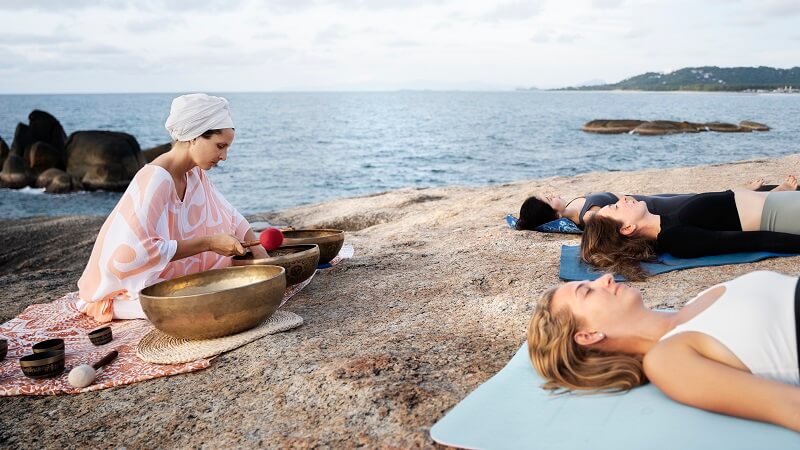
The ocean has always held a special place in human consciousness. There’s something about standing on a ship’s deck, watching endless waves roll by, that seems to wash away the mental clutter we carry from daily life. Modern psychology is now catching up to what sailors and sea travelers have known for centuries: time spent on the water can fundamentally reset our mental state.
A cruise vacation isn’t just about visiting exotic ports or enjoying buffet dinners. It’s actually a powerful psychological experience that can recondition the mind in ways that landlocked vacations simply cannot match.
The Breaking of Routine Patterns
When you step aboard a cruise ship, you’re immediately severed from the patterns that define your everyday existence. No alarm clock blaring at 6 AM. No rush hour commute. No checking work emails every five minutes. This sudden break from routine does something remarkable to the brain. Psychologists call it “pattern interruption,” and it’s one of the most effective ways to reduce chronic stress.
The ship becomes a floating sanctuary where old habits can’t follow you. Your mind, freed from its usual loops, starts to relax in ways it hasn’t in months or even years. The gentle rocking of the vessel acts like a massive reset button, allowing neural pathways associated with stress and anxiety to finally quiet down.
The Therapeutic Power of Horizon Gazing
There’s actual science behind why staring at the ocean feels so good. When you gaze at a distant horizon with nothing but water in between, your eyes relax into what’s called “soft focus.” This is the opposite of how we normally use our vision in modern life, where we’re constantly shifting between computer screens, phones, and nearby objects. The ocean horizon provides what environmental psychologists call a “restorative environment.”
Your brain doesn’t have to process complex visual information or stay alert for threats. Instead, it can drift into a meditative state without any effort. Many cruise passengers report experiencing their deepest, most creative thoughts while simply sitting on deck and watching the water. This isn’t coincidence. The expansive view literally expands mental capacity, allowing thoughts to flow more freely and problems to untangle themselves naturally.
Social Connection Without Social Pressure
One of the most interesting psychological aspects of cruise life is how it facilitates human connection without the usual social anxiety. On land, meeting new people often feels forced or requires significant effort. On a ship, conversations happen organically. You might chat with someone at the breakfast buffet, meet a couple during a shore excursion, or bond with fellow passengers over a shared sunset viewing. People open up more easily when they know they’re in a judgment-free bubble that exists outside normal social hierarchies.
For many passengers, especially those who struggle with loneliness or social isolation on land, this aspect of cruise travel provides a gentle form of social reconditioning. It reminds them that connection is possible and enjoyable, building confidence that can carry over long after the voyage ends. When finding the right cruise deal, many experienced travelers specifically look for ships with good social spaces and group activities.
The Psychology of Structured Freedom
Cruises offer something psychologically unique: freedom within structure. You have complete autonomy over how you spend your time, yet there’s also a comforting framework provided by meal times, port schedules, and onboard activities. This combination is psychologically ideal for mental restoration. Too much structure creates stress and resentment. Too much freedom can increase anxiety, as decision fatigue sets in.
A cruise hits the sweet spot. You can choose to attend the cooking class or skip it. You can dine at the formal restaurant or grab pizza by the pool. This sense of agency, combined with the absence of real consequences for your choices, allows the mind to practice decision-making in a low-stress environment. Many passengers report returning home with a renewed sense of confidence and clarity about their lives.
Nature’s Anti-Anxiety Prescription
The marine environment itself serves as a powerful psychological intervention. The negative ions produced by ocean waves have been shown to increase serotonin levels, improving mood and mental clarity. The sound of water is naturally calming to the human nervous system, triggering parasympathetic responses that counteract stress hormones. Even the salt air seems to have a cleansing effect on both body and mind.
Passengers often describe feeling like they can “breathe better” at sea, and they’re not just talking about their lungs. There’s a psychological opening that happens when you’re surrounded by such vastness. Personal problems that seemed overwhelming on land suddenly appear smaller when held up against the endless ocean.
Conclusion
The mental conditioning that occurs during a cruise is no accident. It’s the result of multiple psychological factors working together: pattern interruption, restorative environments, organic social connection, structured freedom, and the healing power of the marine environment itself. Understanding these elements helps explain why so many people return from cruises feeling genuinely transformed rather than just temporarily relaxed.
The ocean doesn’t just provide a change of scenery. It provides a change of mind. For anyone feeling mentally stuck, overwhelmed, or disconnected, a restorative retreat at sea might offer exactly the psychological reset they need. The waves that rock the ship also rock the mind back into balance, proving that sometimes the best therapy comes with an ocean view.