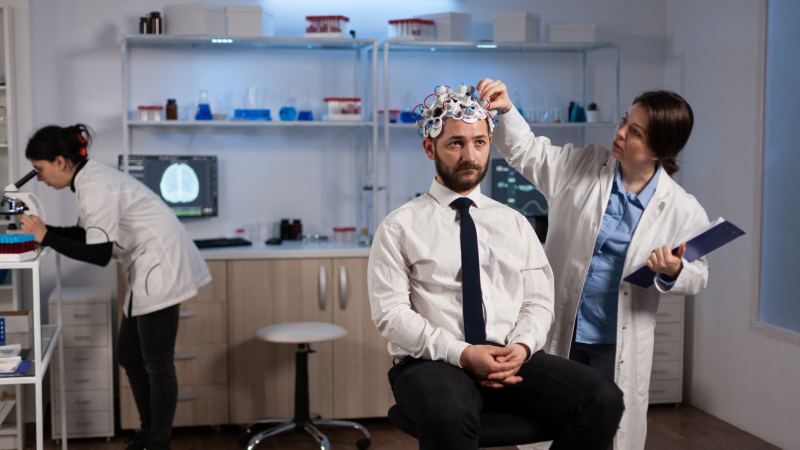
Your brain and nervous system control everything from your vision and movement to your memory and balance. So when something feels “off,” even in a small way, it is not something to ignore. While some symptoms may seem minor at first, neurologists know that certain warning signs can point to serious underlying conditions that require prompt attention.
The challenge is that many neurological symptoms start subtly. Double vision might be blamed on fatigue. Weakness in one hand could be brushed off as a pinched nerve. Memory lapses may be dismissed as normal aging. But when these issues are sudden, persistent, or worsening, they can signal problems involving the brain, spinal cord, or nerves.
Below, we outline six symptoms neurology doctors take seriously and explain why they deserve a closer look. Recognizing these red flags early can make a critical difference in getting the right diagnosis, starting treatment quickly, and protecting your long-term health.
1. Double Vision
Seeing double, also known as diplopia, is something you shouldn’t just ignore. It’s not just about blurry vision; it’s when you see two images of a single object. This can happen in a few ways, but neurologists get particularly interested in a specific type: neurological diplopia. This is when you see double with both eyes open, and it gets better if you cover one eye. It’s different from double vision that stays even when one eye is closed, which is usually an eye issue.
This kind of double vision can be a sign that something is going on with your brain or the nerves connected to your eyes. It’s not something to wait and see if it goes away on its own. Think of it like a warning light on your car’s dashboard – you wouldn’t ignore it, right?
Several things could cause neurological diplopia. It might be related to conditions like:
- Multiple sclerosis (MS)
- A stroke or an aneurysm (a bulge in a blood vessel)
- Myasthenia gravis (a condition affecting nerve-muscle communication)
- A brain tumor
- A brain infection
If you suddenly start seeing double, it’s a good idea to head to the emergency room. Doctors there will do a quick check of your vitals, look for stroke signs, and might order scans like a CT or MRI of your head to get a clearer picture of what’s happening.
Sometimes, people might try to explain away double vision as just being tired or stressed. While those things can affect your vision, persistent or sudden double vision is a different story. It’s your nervous system sending a signal that needs attention.
It’s important to tell your doctor exactly when it started, if it’s constant or comes and goes, and if it affects one eye or both. This information helps them figure out the cause much faster.
2. Weakness in One Hand or Leg
You know, sometimes you might notice you’re kind of dragging one leg when you walk, or maybe your grip isn’t what it used to be. It’s easy to brush these things off, thinking it’s just a bad night’s sleep or maybe you slept funny. But if you’re finding it harder to pick up your morning coffee mug or write your name with your usual hand, that’s something a neurologist would definitely want to check out.
It’s pretty common for people to put off seeing a doctor when they notice weakness in just one limb. They might think it’s a simple pinched nerve or just part of getting older. However, this kind of localized weakness can sometimes point to more serious issues. We’re talking about things like a stroke, a brain tumor, or even conditions like multiple sclerosis or brain inflammation. It’s not something to just wait and see if it gets better on its own.
When a neurologist examines you for this, they’ll likely do a few things:
- Strength Tests: They’ll check how strong your muscles are, comparing one side of your body to the other.
- Reflexes: They’ll tap your knee or other areas to see how your reflexes are working.
- Coordination and Gait: They’ll watch how you walk and perform simple movements to see if there are any coordination issues.
These tests help them figure out what might be causing the weakness and guide them toward the right diagnosis.
Don’t underestimate a sudden or persistent feeling of weakness in one part of your body. While it might turn out to be nothing major, it’s always better to get it checked out by a professional to rule out anything serious. Ignoring it could mean delaying treatment for a condition that needs prompt attention.
Sometimes, this weakness can be accompanied by other symptoms, like a shuffling walk, which can be a sign of Parkinson’s disease, or a sudden loss of grip strength that makes everyday tasks difficult. If you’re experiencing foot drop, where you have trouble lifting the front of your foot, that’s also a signal to pay attention to.
3. Chronic Headaches
Look, everyone gets a headache now and then. Maybe you stared at a screen too long, or perhaps you didn’t get enough sleep. Usually, some over-the-counter pain relievers do the trick, and you’re back to normal. But what happens when those headaches just don’t quit? When headaches become severe, happen way too often, or start messing with your daily life, it’s time to pay attention.
Neurologists see a lot of people for headaches, and for good reason. They can be a sign of something more serious going on with your brain or nervous system. We’re not just talking about the occasional throbbing pain; we mean headaches that are disabling, happen daily, or wake you up from sleep. If you find yourself needing pain medication every single day just to get by, that’s a big red flag.
Sometimes, headaches aren’t just headaches. They can come with other symptoms that point to specific conditions:
- Migraines: These are more than just bad headaches. They often involve intense pain, sensitivity to light and sound, nausea, and sometimes even visual disturbances or numbness. Migraines can last for hours or even days.
- Cluster Headaches: These are incredibly painful, often described as a burning or piercing sensation, usually around one eye. They tend to happen in clusters, meaning you might get several a day for weeks or months, then have a break.
- Secondary Headaches: These are headaches caused by another underlying issue, like an infection, a problem with blood vessels in the brain, or even a tumor. These can be particularly dangerous.
It’s important to remember that not all headaches are the same. A neurologist can help figure out the specific type of headache you’re experiencing and what might be causing it. They’ll ask about the details: where the pain is, what it feels like, how often it happens, and if anything makes it better or worse. Keeping a headache diary can be super helpful for this – jotting down when they start, how long they last, what you ate, and your stress levels can give your doctor a clearer picture.
Beyond just pain, a neurologist will also look for other signs that might accompany your headaches. Things like vision changes, dizziness, confusion, or even seizures are serious symptoms that need immediate medical attention. If your headaches are accompanied by any of these, don’t wait – get to an emergency room or see a doctor right away.
4. Numbness or Tingling
You know that weird “pins and needles” feeling you get when your foot falls asleep? That’s kind of what we’re talking about here, but when it happens a lot, or in places it shouldn’t, it’s worth paying attention to. It’s not just about your foot falling asleep after sitting too long; we’re talking about persistent numbness or a tingling sensation that just won’t quit. Sometimes people even describe a tingling in the head, which can be particularly unsettling.
This feeling happens when nerves that send signals from your body to your brain get interrupted. Think of it like a traffic jam on the highway of your nervous system. It could be something simple, like pressure on a nerve, or it might point to something more serious.
Here are a few things a neurologist might look for:
- Location and Duration: Is it in your hands, feet, face, or somewhere else? Does it come and go, or is it always there?
- Accompanying Symptoms: Are you also feeling weakness, pain, or changes in temperature sensation?
- Triggers: Does it happen after certain activities, or does it seem random?
While occasional, short-lived numbness is usually no big deal, if it’s happening frequently, lasting a long time, or showing up with other odd symptoms, it’s definitely a signal to get checked out. Don’t just brush it off as “sleeping on it wrong” if it keeps happening.
Sometimes, numbness or tingling can be a sign that your body isn’t getting the right signals from your nerves. It’s like a faulty wire in a complex electrical system. While it might not always be a major issue, it’s the body’s way of telling you something needs a closer look, and ignoring it could mean missing an important clue about your health.
5. Memory Problems
We all forget things sometimes, right? Like where you put your keys or if you already answered that email. That’s usually normal. But when memory issues start messing with your daily life – making it hard to do your job, manage your household, or even just keep up with conversations – it’s time to pay attention.
Neurologists take memory problems seriously because they can be a sign of many different things, not just aging. It could be a side effect of medication, a thyroid issue, lack of sleep, or even something more serious like a tumor or a condition like Alzheimer’s or dementia. It’s not always about those big diagnoses, though. Sometimes, it’s a temporary glitch.
Here are a few things that might signal it’s time to see a neurologist:
- Frequent lapses: You’re forgetting things more often than usual, and it’s noticeable.
- Repeating yourself: You find yourself asking the same questions or telling the same stories multiple times in a short period.
- Confusion or disorientation: You feel lost or unsure of where you are or what’s going on, even in familiar places.
- Difficulty with tasks: Simple tasks that you used to do easily now feel challenging because you can’t recall the steps.
Sometimes, these memory hiccups can be linked to other neurological events, like a brief seizure you might not even realize you’re having. Your neurologist can run tests to figure out what’s really going on and help you manage it. They might suggest lifestyle changes, like getting more exercise or improving your sleep habits, or they might prescribe medication.
It’s important to remember that not all memory problems point to dementia. Many treatable conditions can cause memory issues. Getting a proper diagnosis is the first step to finding the right solution and getting your memory back on track.
6. Tremors
You know, sometimes your hands just shake a little, right? Maybe you had too much coffee, or you’re a bit nervous. That’s usually no big deal. But when shaking, or what doctors call tremors, becomes a regular thing, especially if it’s in one part of your body like your arms, legs, or even your head, it’s time to pay attention. These aren’t just random jitters; they can be a sign that something’s up with the part of your brain that controls how your muscles move.
It’s not always obvious what causes them. Sometimes it’s just a side effect of medication, or maybe you’re dealing with a condition like Parkinson’s disease, which is known for causing tremors. Other times, it could be something else entirely, like an issue with your thyroid or even a past injury.
Here are a few things to watch out for:
- Persistent shaking: If the shaking doesn’t stop or happens frequently, don’t brush it off.
- Shaking that affects daily tasks: When tremors make it hard to eat, write, or hold things, it’s a clear signal.
- Shaking that gets worse: If the tremors seem to be increasing in intensity or frequency, that’s a red flag.
- Shaking accompanied by other symptoms: Notice if the shaking comes with stiffness, slow movement, or balance problems.
Don’t just assume it’s old age or stress; get it checked out. A neurologist can help figure out if it’s something simple or something that needs proper medical attention. They’ll look at when the tremors happen, what makes them better or worse, and if there are any other symptoms going on.
It’s easy to ignore little shakes, especially if they don’t seem to be hurting anyone. But these involuntary movements can sometimes be an early warning sign for more serious neurological conditions. Getting a diagnosis early can make a big difference in managing your health and preventing things from getting worse.
Frequently Asked Questions
What exactly does a neurologist do?
Neurologists are doctors who specialize in problems with your brain, spine, and nerves. Think of them as detectives for your nervous system. They help figure out what’s going wrong when you have issues like headaches, memory loss, or trouble moving, and then they help you get better.
Why should I worry about double vision?
Seeing double, especially if it happens suddenly, can be a sign of something serious like a stroke or a brain tumor. It’s not something to wait and see about; it’s best to get it checked out right away by a doctor, possibly in the emergency room.
When is a headache more than just a headache?
Everyone gets headaches sometimes. But if your headaches are really bad, happen often, wake you up, or come with other weird symptoms like vision changes or feeling sick, it’s a good idea to see a neurologist. They can help find out why they’re happening.
What if I feel numb or tingly a lot?
Feeling numb or tingly, especially if it happens on one side of your body or comes on very suddenly, could be a warning sign for serious issues like a stroke. It’s important to tell your doctor about these feelings, especially if they don’t go away.
Is forgetting things always a sign of Alzheimer’s?
Not necessarily! While memory problems can be a sign of diseases like Alzheimer’s, they can also be caused by other things like not sleeping well, certain medicines, or even stress. If your memory loss is making it hard to do everyday things, a neurologist can help figure out the cause.
Why are tremors a big deal for neurologists?
Tremors are those shaky movements you can’t control. They happen when there’s a glitch in the part of your brain that controls muscles. If you’re experiencing tremors, it’s a sign that a neurologist should check things out to see what might be causing them.